History & Resources Guide to Archives, Research, Learning
History & resources has become a strategic foundation for learners, businesses, and researchers who want to understand how the past shapes today’s decisions. When you know where to find reliable archives, data sets, and expert commentary, you can analyze trends more accurately and avoid repeating costly mistakes at Cartelclientreview.
History & resources in the digital age
The digital revolution has completely changed how we access history & resources, replacing dusty archives with searchable databases and interactive platforms. Instead of traveling to a physical library, you can now explore centuries of documents from your laptop or phone. However, this convenience also introduces new challenges, such as verifying credibility, understanding bias, and filtering overwhelming amounts of information into something useful and actionable.
Key milestones in the evolution of digital history
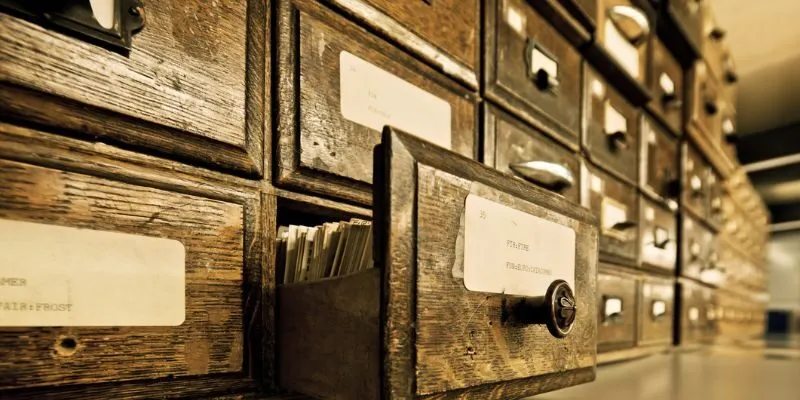
The move from print to digital archives transformed how historians and analysts work with historical data. Early digitization projects focused on scanning newspapers, government records, and rare books to preserve fragile originals. As technology improved, platforms began to add metadata, search filters, and cross-references that made history & resources easier to navigate.
How technology reshapes access to historical knowledge
Modern technology has democratized access to historical knowledge, giving students and professionals equal access to vast collections. Cloud-based repositories, open-access journals, and public APIs allow developers to build apps on top of history & resources and create new ways to visualize timelines or compare events.
Benefits and risks of online historical platforms
Online platforms offer huge benefits, such as instant access, powerful search tools, and multimedia content that brings the past to life. Many portals combine primary documents with expert commentary, making history & resources more understandable for non-specialists. Yet there are risks: digitized collections may be incomplete, algorithms can promote popular but inaccurate narratives, and some sites hide paywalls or biased agendas.
Building a reliable history & resources strategy
To use history & resources effectively, you need a clear strategy that defines your goals, preferred sources, and verification methods. Instead of randomly searching the web, professionals build structured workflows that save time and reduce errors. This section outlines how to select trustworthy archives, design a repeatable research process, and document your findings so they can be audited, updated, or reused by colleagues and clients in the future.
Defining your research objectives and scope
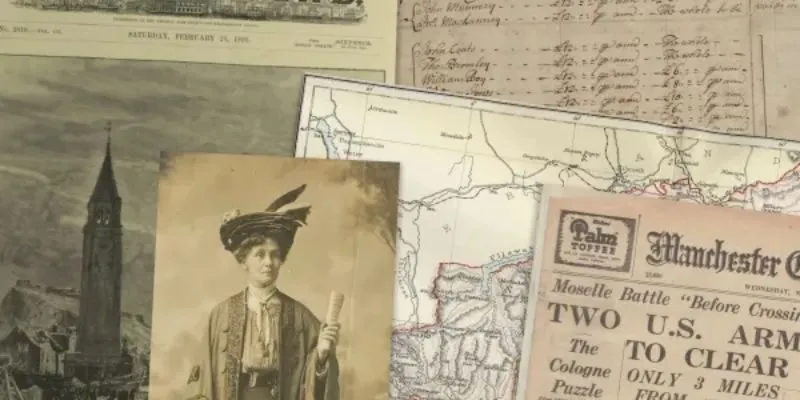
Any serious project should begin with precise questions and boundaries before diving into history & resources. Decide the time range, geographic area, and type of sources you need, such as legal documents, newspapers, or academic articles. A clear scope prevents you from getting lost in irrelevant details and helps you prioritize archives that align with your goals.
Choosing trustworthy archives and data collections
Not all archives are created equal, so you must evaluate who created them, why they exist, and how they maintain quality. University libraries, national archives, and respected NGOs usually provide more reliable history & resources than anonymous blogs or unverified forums. Look for clear citation policies, editorial standards, and documented update schedules.
Creating a repeatable workflow for historical research
A repeatable workflow turns scattered searching into a disciplined process that can be improved over time. Start by listing your preferred databases, then define steps for collecting, tagging, and storing history & resources in a consistent format. Use reference managers, cloud folders, and naming conventions so you can quickly locate documents months or years later.
| Type of Source | Typical Use Case | Reliability Considerations |
| Primary documents | Evidence for academic and legal research | High value but may be incomplete or context-limited |
| Secondary analyses | Interpretation, commentary, and synthesis | Check author expertise and cited History & Resources |
| Digital databases | Large-scale data mining and trend detection | Review data collection methods and update policies |
| Popular media | Public perception and narrative framing | Useful for context but rarely neutral or exhaustive |
History & resources for education and self‑learning
Educational institutions and self-learners increasingly rely on history & resources to develop critical thinking and long-term perspective. Instead of memorizing dates, modern curricula encourage students to analyze causes, consequences, and patterns across different eras. With open courses, digital libraries, and interactive tools, anyone can build historical literacy that supports careers in business, technology, law, or public policy, even without formal academic training in history.
Using historical content in formal education
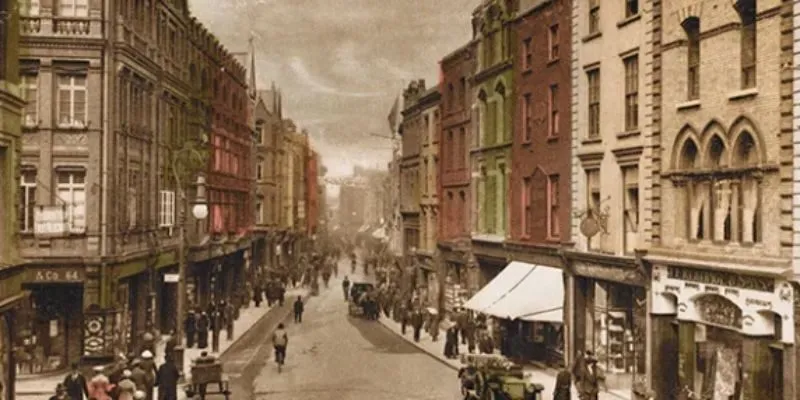
Schools and universities use curated archives, textbooks, and multimedia collections to help students interpret history & resources responsibly. Assignments often require learners to compare primary and secondary sources, identify bias, and construct evidence-based arguments. This method trains them to question simplistic narratives and recognize how power, culture, and economics shape the historical record.
Self-directed learning with open online archives
Self-learners can access a wide range of history & resources through open-access repositories, MOOCs, and digital museums. Many platforms offer themed collections on topics like industrialization, colonialism, or technological innovation, making it easier to study specific interests in depth. By combining video lectures, reading lists, and primary sources, motivated individuals can reconstruct university-level experiences.
Developing critical thinking through historical analysis
Working directly with history & resources encourages learners to question sources, weigh evidence, and build nuanced conclusions. Instead of accepting a single version of events, they learn to compare conflicting accounts and understand why interpretations differ. This habit improves problem-solving in everyday life, from evaluating news reports to assessing business proposals.
History & resources curation, ethics, and future trends
As collections grow, the way we curate and govern history & resources becomes a major ethical and technical challenge. Decisions about what to preserve, how to label it, and who can access it shape future understanding of the past. Emerging technologies like AI, blockchain, and immersive media will further transform how we store, verify, and experience historical information.
Ethical challenges in preserving and sharing history
Curators must balance openness with privacy, security, and cultural sensitivity when handling history & resources. Some records contain personal data or traumatic events that require careful contextualization before public release. Others reflect colonial or discriminatory perspectives that need critical framing to avoid reinforcing harm.
Role of AI and automation in curation
AI tools can scan massive collections, recognize patterns, and suggest links that human experts might miss, dramatically expanding how we work with history & resources. Automated transcription, translation, and image recognition reduce barriers to access and speed up research. However, algorithms inherit the biases of their training data, which can distort search results or misclassify sensitive materials.
Future formats and immersive historical experiences
New formats such as virtual reality, augmented reality, and interactive timelines are redefining how audiences engage with history & resources. Instead of reading static documents, users can “walk through” reconstructed environments or explore branching narratives based on real evidence. These immersive experiences can deepen empathy and understanding, especially for younger generations.
>>> Read More: Legislation & Regulation Guide to Laws and Compliance Hub UK
Conclude
Throughout this guide, we explored how history & resources supports education, strategy, and informed decision-making across many fields. By developing clear research objectives, choosing reliable archives, and applying critical thinking, individuals and organizations can transform raw records into meaningful insight. Digital tools and AI expand access, but they also require strong ethical frameworks and human oversight to prevent distortion or misuse.